What’s New on Slovenian Motorways in 2026
Summer Traffic Wave:
The Factor That Changes Everything
Slovenia lies on the main corridor between Central Europe and Croatia, making it one of the busiest transit countries during the summer months. Every weekend, tens of thousands of vehicles move through the country, placing enormous pressure on the motorways.
It is not only the traffic volume that matters, but also its nature – long traffic jams mainly form near border crossings and around larger motorway junctions. Arrival times therefore often become unreliable, and differences compared to normal traffic conditions can be significant.
Intelligent Traffic Management:
Variable Signs and Traffic Flow Control
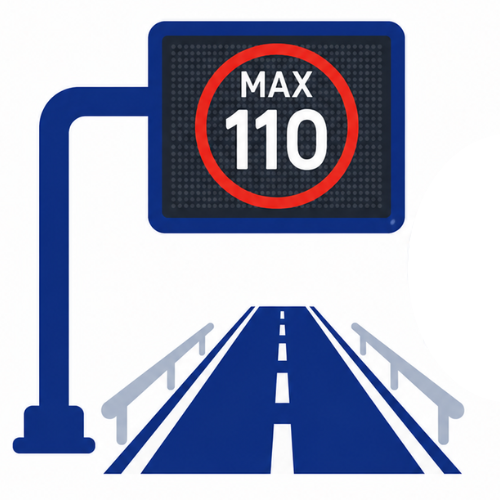
Slovenia is gradually expanding intelligent traffic management systems. Variable traffic signs are appearing more frequently on major routes and react to the current traffic situation. For everyday driving, this means greater emphasis on monitoring signs and live information, not only relying on fixed rules.
Karavanke Tunnel: Major Improvement on the Austrian Border
One of the key points of the entire network is the Karavanke Tunnel, which connects Slovenia with Austria. After the opening of the second tunnel tube, the capacity and traffic flow of this crossing improved significantly.
Traffic is now smoother and safer than before, although even here seasonal peaks can still lead to delays. However, this section is one of the places where the improvement compared to previous years is truly noticeable.
Ljubljana Ring Road: The Weak Point of an Otherwise Strong Network
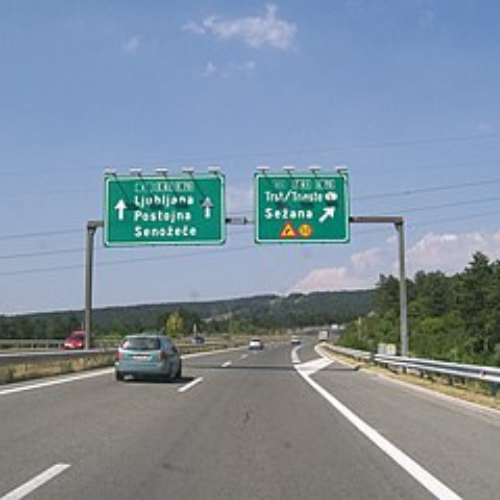
The area around Ljubljana remains the most congested part of the entire motorway network. Urban traffic mixes here with vehicles transiting through Slovenia, and capacity on some sections is no longer sufficient.
In 2026, expansion and modernization works continue, which means frequent restrictions. Even minor complications can quickly cause delays that spread to other parts of the route.
Safety and Controls: Greater Emphasis on Following the Rules
Slovenia has long placed strong emphasis on traffic safety, and this is also visible on motorways in 2026. Speed checks and enforcement of traffic regulations are becoming more frequent, especially on heavily used sections.
Rest Areas: Comfortable but Limited Capacity
Slovenian rest areas are among the better-equipped ones, often featuring restaurants and quality facilities. The problem appears when traffic volumes increase significantly.
During summer or weekends, they fill up quickly, and finding a free parking space can become difficult. This applies mainly to the main routes toward the Croatian border.
Modernization Instead of New Construction
Because most of the motorway network is already completed, Slovenia is focusing more on modernization than on building new motorways. Road surface repairs, widening of certain sections, and improvements to safety features are ongoing.
What to Watch Out for When Driving in 2026
Driving on Slovenian motorways is generally smooth, but it strongly depends on timing. On certain days and at certain hours, the situation can change within a very short time.
It is worth remembering that:
Seasonal traffic can significantly slow down travel
The area around Ljubljana is one of the highest-risk sections